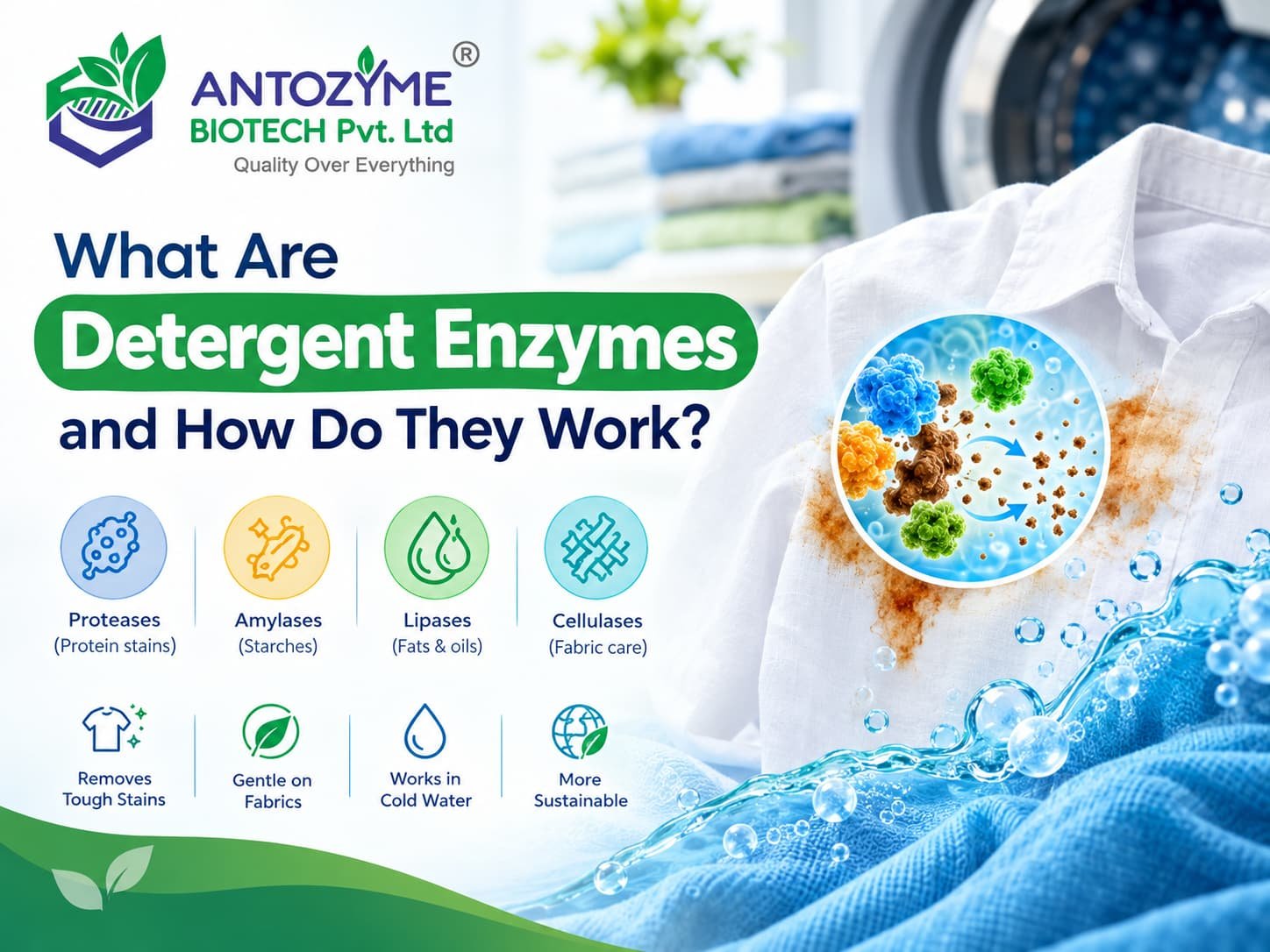
Detergent enzymes are specialized biological catalysts added to laundry and dishwashing detergents to break down stubborn organic stains at the molecular level. Unlike traditional surfactants that mainly lift dirt through physical and chemical action, enzymes target specific stain components, proteins, starches, fats, and more, converting large, insoluble molecules into smaller, water-soluble fragments that rinse away easily.
This targeted action makes modern enzyme-based detergents more effective at lower temperatures, gentler on fabrics, and more environmentally friendly. Laundry detergent enzymes represent one of the largest industrial applications of enzymes worldwide.
A Brief History of Enzymes in Detergents
The idea of using enzymes for cleaning dates back to the early 20th century. German chemist Otto Röhm introduced trypsin (a protease extracted from animal tissues) into detergents around 1913 to tackle protein stains like blood, egg, and grass. Early versions had limited stability.
By the 1960s and later decades, microbial enzymes produced through bacterial and fungal fermentation (especially from Bacillus species) became standard. Today’s detergent enzymes are engineered for high performance in alkaline conditions, presence of surfactants, and a wide temperature range (including cold-water washes).
Main Types of Detergent Enzymes and the Stains They Target
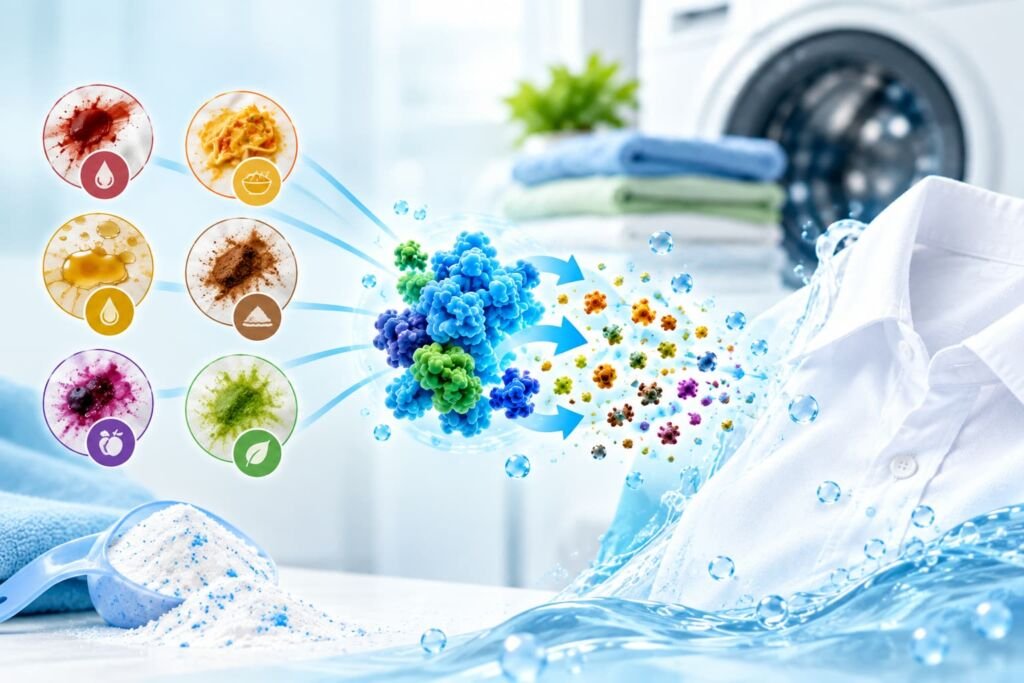
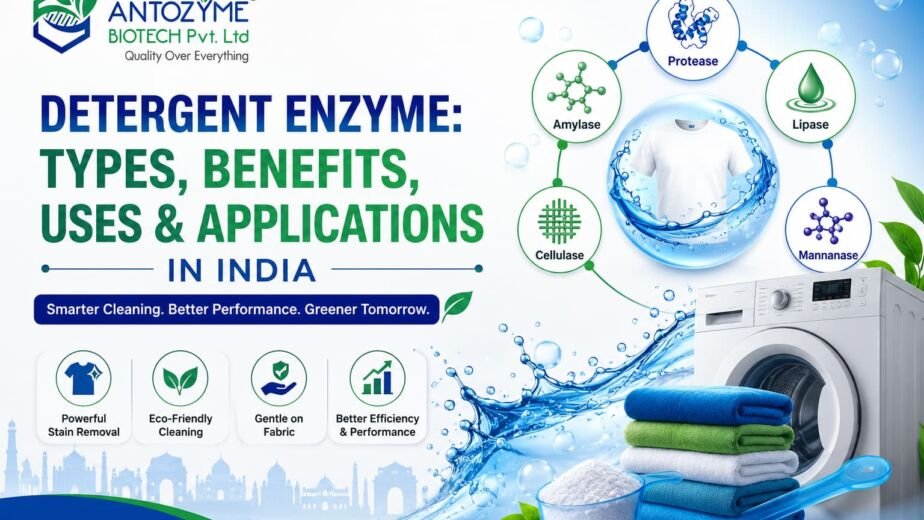
Modern detergents typically contain a blend of several enzymes for broad-spectrum cleaning. For a deeper look at each category and their specific advantages, explore our detailed guide on detergent enzyme types, benefits, and uses.
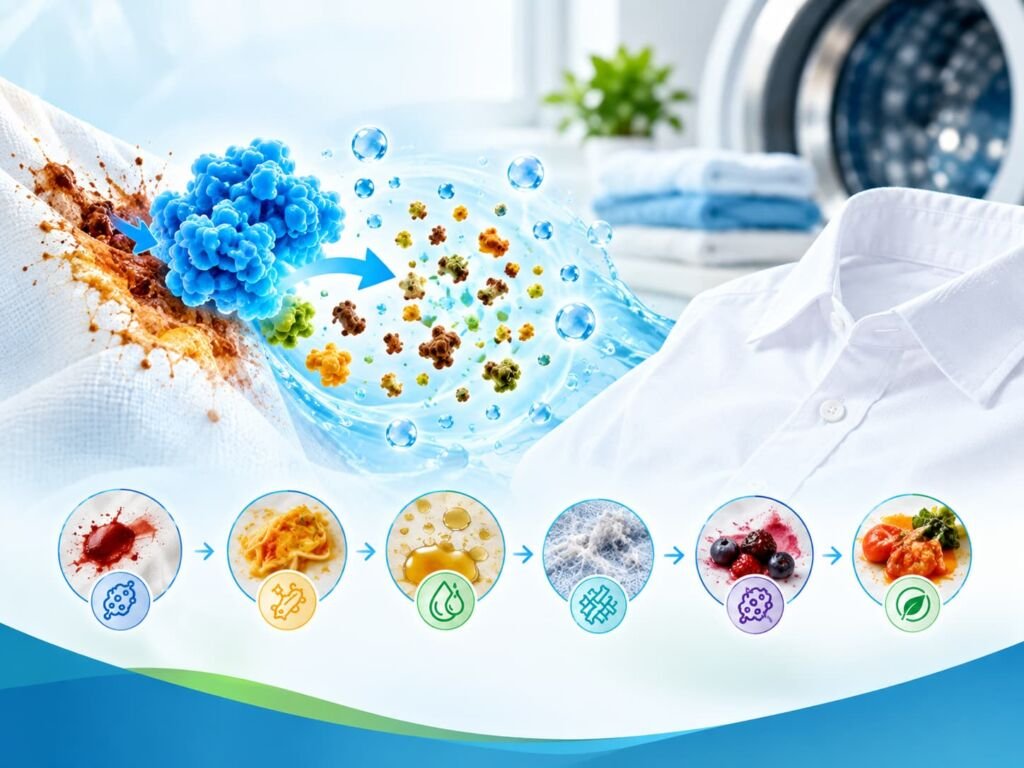
- Proteases — The most widely used. They hydrolyze peptide bonds in proteins, breaking down blood, sweat, grass, egg, dairy, and body soils into smaller peptides and amino acids.
- Amylases — Cleave starch (α-1,4 glycosidic bonds) into dextrins and sugars. Ideal for pasta, rice, potato, gravy, chocolate, and baby-food residues.
- Lipases — Hydrolyze triglycerides (fats and oils) into glycerol and free fatty acids. Effective against cooking oils, butter, salad dressings, cosmetics, and body sebum.
- Cellulases — Act on cellulose microfibrils in cotton fabrics. They remove surface fuzz and pills, release trapped dirt, restore brightness and softness, and help prevent graying.
- Mannanases — Break down mannans (complex polysaccharides used as thickeners). Target ice cream, sauces, gravies, and processed-food stains.
- Pectinases / Pectate lyases — Degrade pectin in fruit and vegetable stains (berries, tomatoes, citrus).
These enzymes are primarily microbial in origin and formulated to remain stable and active alongside surfactants, builders, and other detergent ingredients.
How Detergent Enzymes Work – Step by Step
Understanding the exact mechanism helps formulators optimize performance. You can read a complete explanation of how enzymes work in detergents for more technical insight.
- Dissolution and dispersion — When detergent is added to water, enzymes (along with surfactants) disperse throughout the wash liquor.
- Specific binding — Each enzyme recognizes and binds to its target substrate (the stain molecule) via its active site—like a lock-and-key fit.
- Catalytic breakdown — The enzyme accelerates hydrolysis (or related reactions), cleaving large stain polymers into smaller, more hydrophilic fragments. Enzymes are not consumed; a small amount can process a large quantity of soil.
- Removal by surfactants and rinsing — Surfactants lift the fragmented soil into the water, keep it suspended (preventing redeposition), and allow it to rinse away cleanly.
Because enzymes work catalytically and are highly specific, they deliver powerful cleaning even in cooler water (20–40 °C), reducing energy use compared with traditional hot washes that rely heavily on chemicals and mechanical action.
Key Benefits of Enzyme-Based Detergents
- Superior removal of organic stains that surfactants alone struggle with.
- Effective cold-water performance, lowering energy consumption.
- Gentler on fabrics and colors—less aggressive chemistry and reduced need for high temperatures or harsh alkaline conditions.
- Biodegradable nature of enzymes supports more sustainable formulations.
- Synergy with other detergent components for overall better performance and fabric care (especially with cellulases).
- Versatility in both powder and liquid detergent systems, as well as automatic dishwashing products.
Detergent Enzyme Manufacturing in India
India has emerged as an important hub for industrial enzyme production, including high-quality detergent enzymes. Manufacturers produce alkaline proteases, amylases, lipases, cellulases, mannanases, and multi-enzyme blends in powder, granular, and liquid forms suitable for detergent formulators.
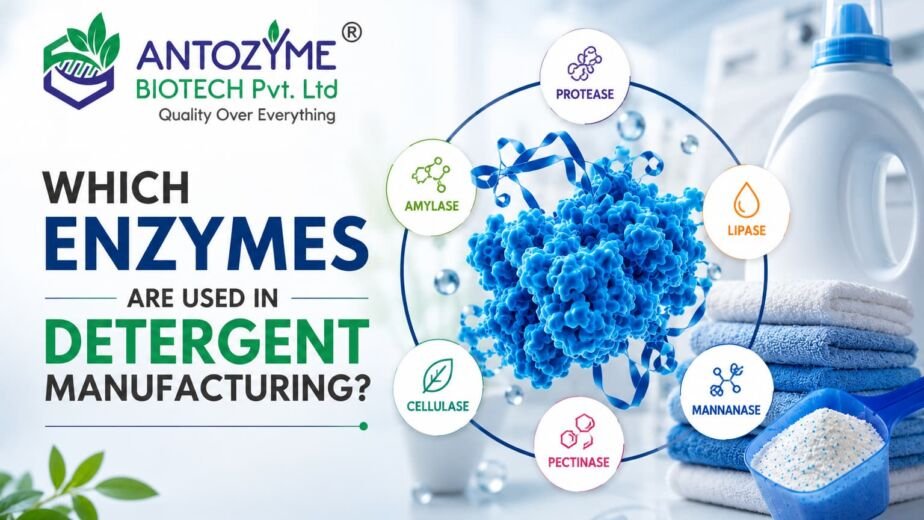
To understand the production process and the specific enzymes used by manufacturers, refer to our page on enzymes used in detergent manufacturing.
Antozyme Biotech (based in Vadodara, Gujarat) is one such enzyme manufacturer and supplier serving the detergent industry. The company specializes in microbial fermentation-based production of stable, high-activity enzymes tailored for laundry and cleaning applications. Their portfolio supports detergent manufacturers looking for effective, consistent, and application-ready enzyme solutions—including multi-enzyme systems designed to improve cleaning efficiency across different water conditions and formulation types.
By combining advanced fermentation technology, process optimization, and quality control, Indian producers like Antozyme help detergent brands deliver high-performance products that meet both consumer expectations and sustainability goals.
Conclusion
Detergent enzymes transform cleaning from a purely chemical and mechanical process into a precise biological one. By selectively breaking down the molecular building blocks of stains, they enable better results with less energy, milder conditions, and reduced environmental impact.
As demand grows for effective yet eco-conscious cleaning products, enzyme technology and reliable manufacturers of detergent enzymes in India, will continue to play a central role in the future of laundry and dishwashing formulations.
If you are a detergent formulator seeking high-quality protease, amylase, lipase, or multi-enzyme blends, exploring specialized manufacturers can help you optimize performance and differentiate your products in the market.
Frequently Asked Questions
What are detergent enzymes?
Detergent enzymes are biological catalysts (proteins) added to laundry and dishwashing detergents. They break down specific organic stains, such as proteins, starches, fats, and cellulose, into smaller, water-soluble fragments that are easier to remove during washing.
How do enzymes work in detergents?
Enzymes work by binding to specific stain molecules and accelerating their breakdown through hydrolysis. For example, proteases break protein bonds, amylases split starch, and lipases digest fats and oils. The resulting smaller fragments are then lifted away by surfactants and rinsed out.
What are the main types of enzymes used in detergents?
The most common detergent enzymes are:
- Proteases (for blood, sweat, egg, and dairy stains)
- Amylases (for starch-based food stains)
- Lipases (for oils, grease, and body sebum)
- Cellulases (for fabric care and removing fuzz on cotton)
- Mannanases and pectinases (for specialized food and plant-based stains)
Are enzyme-based detergents better than regular detergents?
Yes, enzyme-based detergents generally provide superior stain removal, especially for organic soils, and perform effectively even in cold or lukewarm water. They also tend to be gentler on fabrics and more energy-efficient compared to traditional detergent formulations that rely only on surfactants and high temperatures.
Can detergent enzymes be used in both powder and liquid detergents?
Yes. Enzymes are formulated for both powder and liquid detergent systems. However, liquid detergents require special stabilization techniques to maintain enzyme activity during storage, while powder enzymes are typically more stable in dry form.
Why are detergent enzymes important for manufacturers in India?
Detergent enzymes help Indian manufacturers create high-performance, energy-efficient, and eco-friendly cleaning products that meet modern consumer demands. They allow better cleaning at lower temperatures, reduce the need for harsh chemicals, and support sustainable formulations while improving overall product competitiveness.