Adding enzymes to a detergent is easy. Choosing the right ones, at the right level, for your market and your format takes more thought. A protease that performs well in a lab beaker can lose most of its activity in a liquid base after three months on a warehouse shelf.
This guide is for formulators, R&D teams and procurement managers at detergent brands. It walks through the decisions in the order you would normally make them. If you want a refresher on the basics first, read how enzymes work in detergents and the main detergent enzyme types.
Step 1: Start with the Stains Your Customers Actually Have
Each enzyme breaks down one kind of soil, so your enzyme choice should follow the stains your consumers deal with.
| Enzyme | Targets | Typical stains |
|---|---|---|
| Protease | Proteins | Blood, sweat, egg, milk, grass, body soils |
| Amylase | Starch | Rice, pasta, potato, gravy, chocolate, baby food |
| Lipase | Fats and oils | Cooking oil, butter, sauces, cosmetics, collar and cuff soils |
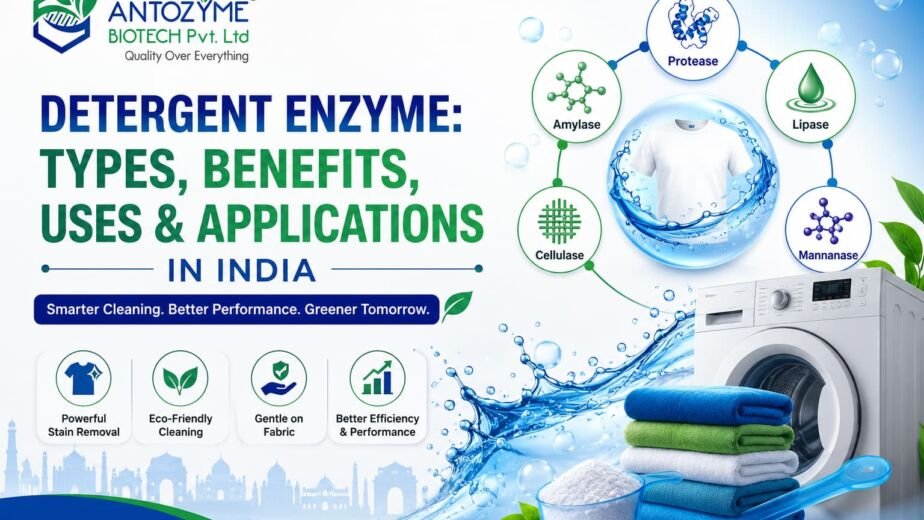
| Cellulase | Cellulose fibres on cotton | Dullness, pilling, faded look; improves softness and colour brightness |
| Mannanase | Mannan gums | Guar and locust bean gum in sauces, ice cream, cosmetics and lotions |
| Pectate lyase | Pectin | Fruit and vegetable stains, plus some particulate soil |
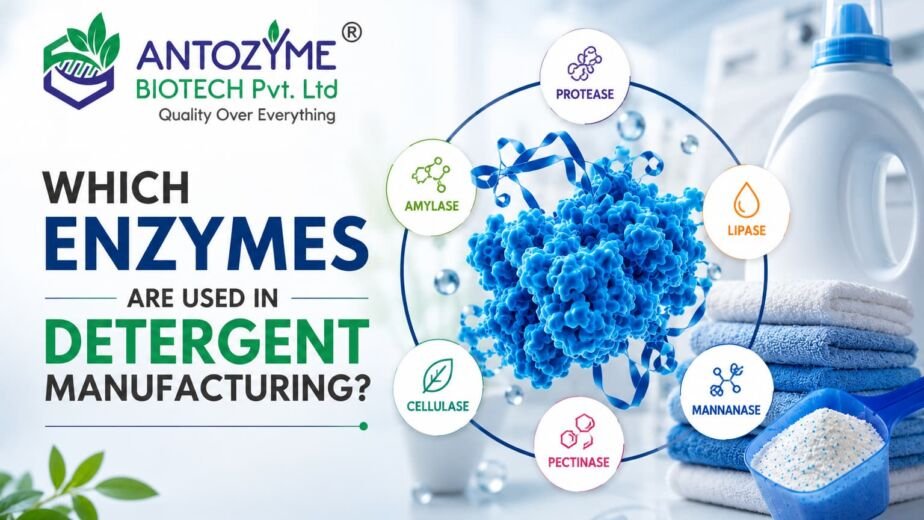
For a first formulation, protease is the usual base. Adding amylase and lipase widens the range of stains you can remove. Cellulase, mannanase and pectate lyase are the “premium” additions that separate a good detergent from an average one.
Ask what your target market washes most. A detergent for households that eat a lot of oily, spiced food needs a different enzyme balance than one sold for baby clothes or sportswear.
Step 2: Match the Enzyme to Your Wash Conditions
Every enzyme has a pH range and temperature range where it works best. Check these against how your product is really used:
- pH of the wash liquor. Most laundry detergents give a wash pH in the alkaline range, so you need enzymes built for alkaline conditions. A neutral-pH enzyme will underperform.
- Wash temperature. If your customers mostly wash in cold or lukewarm water, choose enzymes that stay active at low temperatures. This is also where enzymes help most, because they let the detergent work well without hot water.
- Wash time and method. Machine wash, semi-automatic and hand wash give very different contact times. Short washes need faster-acting enzymes or higher dosage.
- Water hardness. Calcium and magnesium can affect some enzymes and the surfactants around them. Test in the hardness your market really has, not only in soft lab water.
Step 3: Decide on Liquid or Granular Form
The form in which you buy the enzyme depends on the detergent you are making.
For powders and granular detergents, use granulated enzymes. The coating protects the enzyme from moisture and alkalinity in the powder and reduces dust during handling. See our granular detergent enzymes.
For liquid detergents, use liquid enzyme concentrates, but plan for stability from the start (see Step 5). See our liquid detergent enzymes.
The choice affects handling, dosing equipment and storage, so decide it early with your production team.
Step 4: Check Compatibility with Everything Else in the Formula
Enzymes work alongside surfactants, builders, bleach and other ingredients, and some of these can reduce enzyme activity.
- Surfactants. Some anionic and non-ionic surfactants can partially unfold enzymes at high concentrations. Lipases and some proteases are more sensitive than others, so test your actual surfactant system.
- Bleach and oxidizers. Oxidizing agents can damage enzymes, proteases in particular. If your powder contains a bleach system, you need a bleach-stable enzyme and a granule designed to keep the enzyme away from it.
- Builders and chelators. Strong chelating agents can remove the calcium that some enzymes need for stability.
- Other enzymes. Proteases digest other proteins, including other enzymes. In a multi-enzyme liquid, this is a real risk to amylase, lipase and cellulase.
Run compatibility tests on your own base formula rather than relying on general data.
Step 5: Plan for Stability, Especially in Liquids
Enzymes are proteins. In a liquid detergent they sit in water for months, so stability is often the hardest part of the job.
- Ask your supplier what stabilizer system they recommend for their liquid enzymes.
- Test the finished product at room temperature and at elevated temperature (accelerated aging), and measure residual enzyme activity over time.
- Check the effect of pH, water content and any preservatives in your base.
- Powders should be tested at high humidity, since moisture is the main threat to granulated enzymes.
A supplier who can share stability data and formulation advice is worth more than one who only quotes a price.
Step 6: Look at Activity, Dosage and Cost-In-Use
Comparing enzyme prices per kilogram can mislead you. Enzymes come in different activities and concentrations, so what matters is the cost for a given amount of activity.
- Ask for the activity of each product in standard units, and the method used to measure it.
- Ask for the recommended dosage range in your detergent type.
- Calculate cost-in-use: cost per wash, or per tonne of detergent, at the dose that gives the wash performance you need.
- Run wash tests on standard stained fabric swatches, comparing your base formula with and without the enzyme system.
A more concentrated enzyme at a higher price often turns out cheaper per wash.
Step 7: Consider Safety, Handling and Regulations
Enzyme dust can cause respiratory sensitization if inhaled, which is why granulated products are coated. Make sure your plant has proper handling procedures, and ask suppliers for the safety data sheet and handling guidance. Check that your enzymes meet the regulations of the countries where you plan to sell. Requirements differ by market, so confirm them for each destination.
Example Enzyme Combinations by Product Type
These are starting points for your own testing, not fixed recipes.
- Economy powder: protease, sometimes with amylase.
- Standard powder or liquid: protease, amylase and lipase.
- Premium or “advanced stain removal” liquid: protease, amylase, lipase, mannanase, and cellulase for fabric care.
- Baby or delicate-fabric detergent: gentle enzyme system, with attention to dose and fabric care.
Questions to Ask an Enzyme Supplier
- What is the activity and how is it measured?
- What pH and temperature range does it perform in?
- Is there stability data for liquid or powder formulations like mine?
- What are your recommended dosage ranges?
- Can you provide TDS, COA and safety documents?
- Can you help with lab trials or provide samples?
- What are the minimum order quantity, packaging options and lead time?
- Can you supply custom blends?
Work with a Detergent Enzymes Manufacturer
Choosing enzymes gets easier when your supplier understands your formulation. As a detergent enzymes manufacturer and supplier based in Vadodara, Gujarat, Antozyme supplies liquid and granular enzymes for laundry and dishwashing detergents to customers in [34+ countries].
Need help selecting enzymes for your formulation?
Share your detergent type, wash conditions and target markets, and our team will recommend a starting enzyme system and send samples for your trials.
Frequently Asked !uestions
Which enzyme should I add first to a detergent?
Protease. Protein stains are common and protease gives the most noticeable improvement. Then add amylase and lipase.
Can I use several enzymes together?
Yes, most modern detergents do. In liquids, plan for protease not degrading the other enzymes.
Do enzymes work in cold water?
Many detergent enzymes are designed for low-temperature washing, but performance depends on the specific enzyme. Check the temperature profile.
Do enzymes make a detergent unsafe for skin or fabrics?
Detergent enzymes are used in mainstream products worldwide. Correct dosage matters, especially for cellulase on fabric, and manufacturers should follow safe handling practice.
Should I choose liquid or granular enzymes?
Use granules for powders and liquid concentrates for liquid detergents.